Plumbing
Water in, water out, and the valves, traps and heaters in between.
Most plumbing calls come down to a handful of parts: a washer that stopped sealing, a cartridge that wore out, a trap that dried up, a water heater nobody has looked at in years. The explainers below show how each one works so you can tell a ten-dollar fix from a call to a licensed plumber.
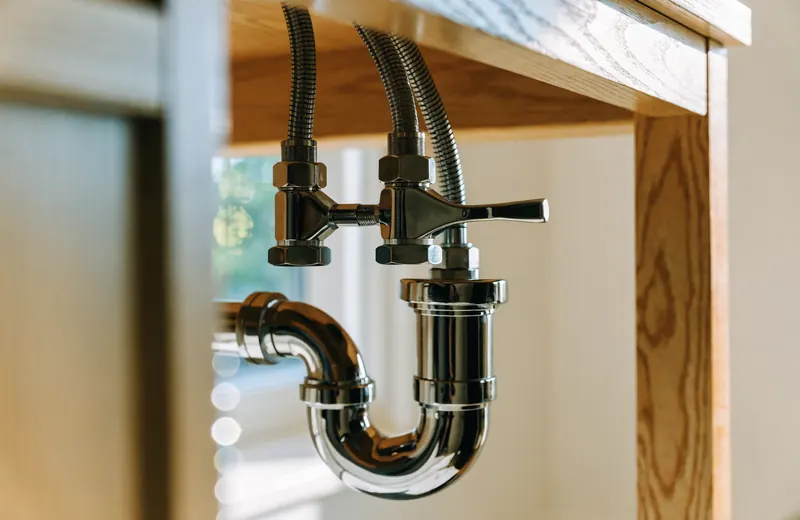
How it works
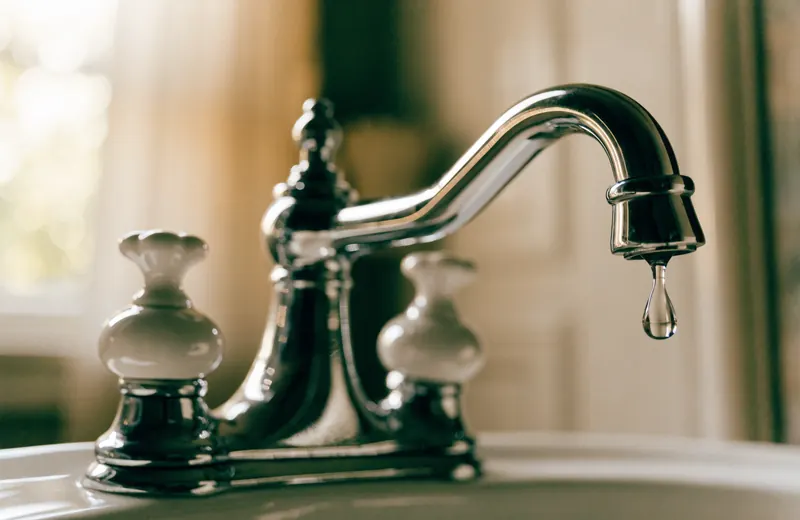
Plumbing
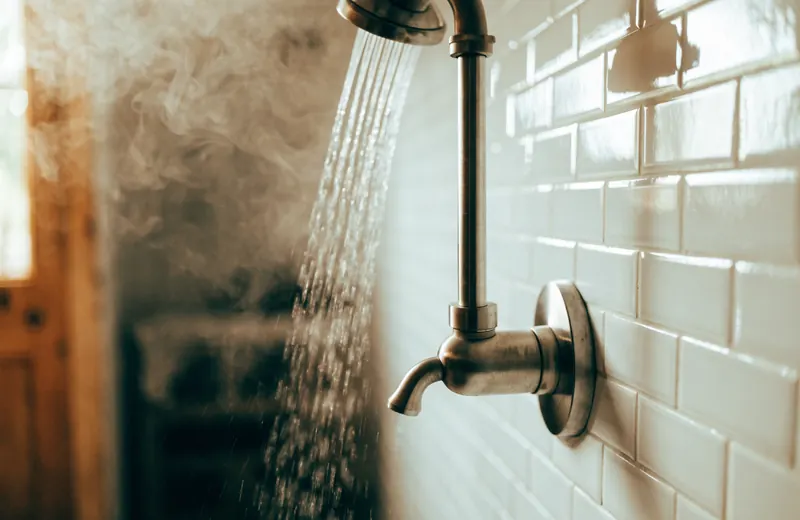
How a pressure-balance shower valve works
Why the shower does not scald when the toilet flushes

Plumbing
How a tank water heater works
Cold in at the bottom, hot out at the top, and one valve that must never be capped

Plumbing
How a toilet fill valve works
The float-run valve that refills the tank, tops up the bowl, and is set high enough to keep the tank from drinking back into the house supply
Plumbing
How a sump pump works
A pit at the low point of the house, a float that watches it, and a one-way valve on the way out
Plumbing
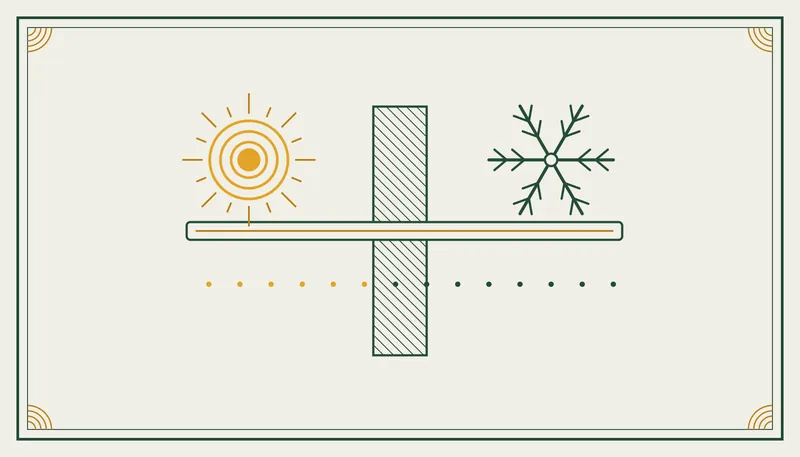
How a frost-free sillcock works
The outdoor faucet that shuts the water off inside the warm wall, and the one habit that undoes it
Plumbing
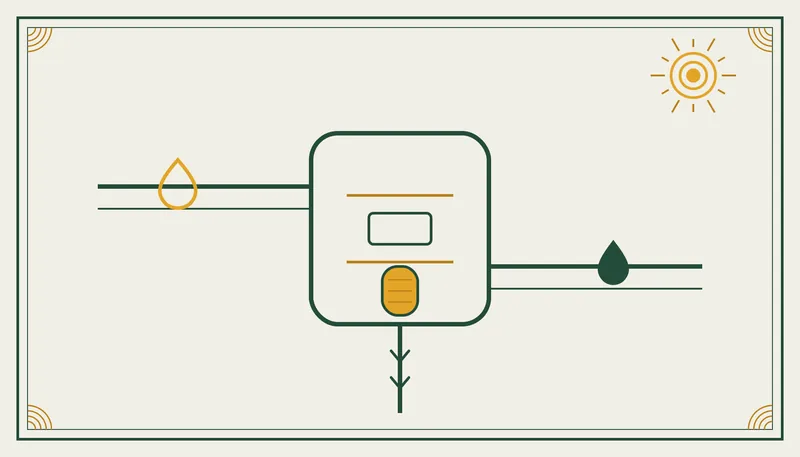
How a thermostatic mixing valve works
Store it hot, serve it warm: the wax element, the piston between two seats, and why the valve at the tank is not the valve at the tub
On the almanac
- January: Deep winter. Keep water liquid, air safe and the roof edge clear.
- February: The quiet month. Give the water heater and the appliances the attention they never get.
- March: Fix a Leak Week, the clocks change, and the sump pump gets its first test of the year.
- October: Fire Prevention Week, the winterizing of outdoor water, and gutters after the leaves fall.
- November: Heating season begins. Clocks fall back, fans reverse, and the thermostat routine starts.
Where the line is
Yours, and theirs. Shutting off a fixture valve, swapping a washer, a cartridge or a trap arm: homeowner work. Gas water heater burners, anything on the main service line, and any repair that touches the water heater's relief valve or discharge pipe: call a licensed plumber.