Carpentry
Why wood moves, how walls stand up, and why the bedroom door sticks every July.
Wood is the one building material that keeps changing after it is installed. It swells in August and shrinks in January, and most of the small mysteries of an older house (sticking doors, gapping floors, a drawer that binds) come back to that. These explainers cover the moisture story, how a stud wall carries its load, and how a door is hung.
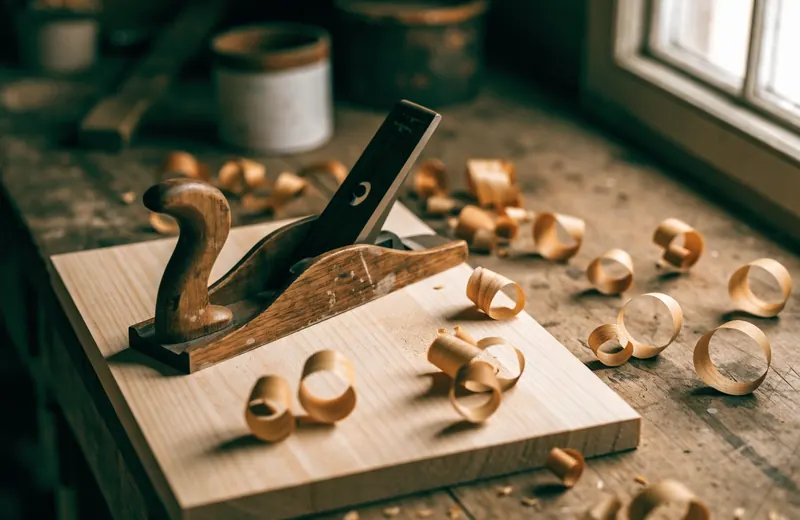
How it works
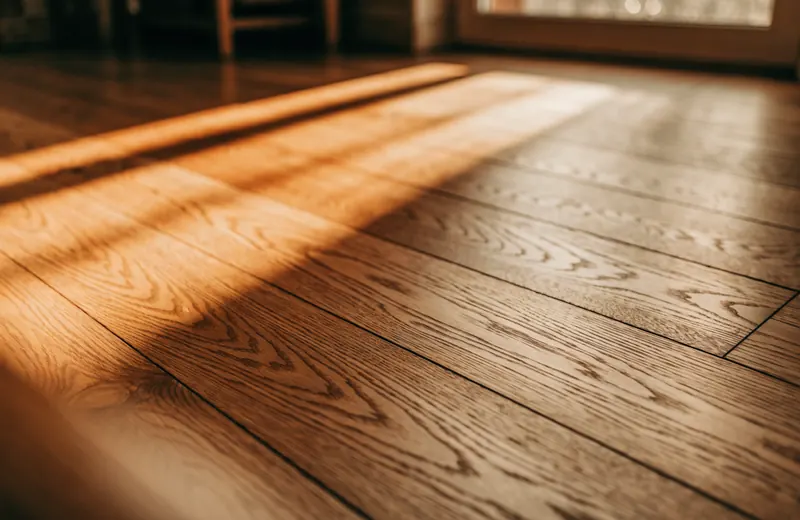
Carpentry
How wood moves with the seasons
Why the drawer sticks in August and the floor gaps in January
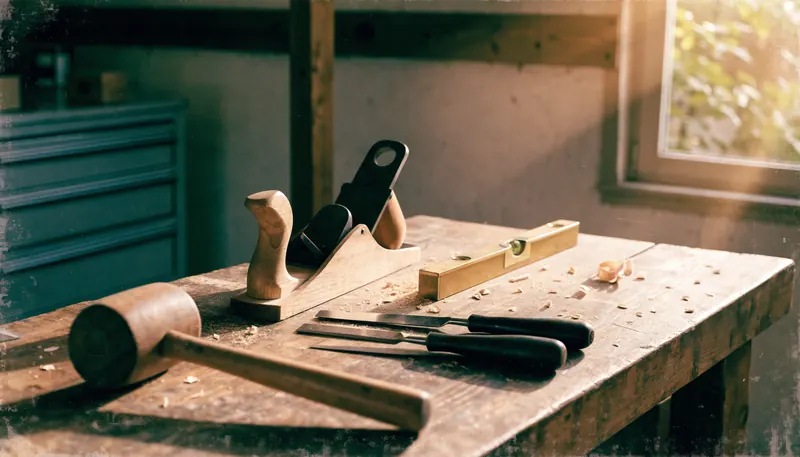
Carpentry
How a wall is framed
Plates, studs, headers and the question of what is holding up the floor above
Carpentry
How a door hangs, and why it sticks
Hinges, jambs, the strike plate, and the gap that has to stay open all year
On the almanac
- February: The quiet month. Give the water heater and the appliances the attention they never get.
- May: National Electrical Safety Month, deck season and the start of the storm calendar.
- June: Cooling season in earnest. Filters, drains and the storm supplies.
- September: National Preparedness Month. The chimney, the furnace and the alarms get ready for the heating season.
- November: Heating season begins. Clocks fall back, fans reverse, and the thermostat routine starts.
Where the line is
Yours, and theirs. Tightening hinges, trimming a door edge, hanging shelves on studs: homeowner work. Removing or cutting into any wall that might be load-bearing, notching studs or joists, or anything structural: a permit and a structural engineer or licensed contractor.